
Evolution of Video Games
If hardware gave designers new tools, genres gave players new reasons to pick up a controller. Over the decades, game design has branched out from a handful of simple concepts into a sprawling landscape of styles, moods, and mechanics. Some genres emerged out of necessity, shaped by the technical limits of early machines. Others emerged from bold creative risks that paid off and inspired countless imitators. This section traces that evolution — from the earliest building blocks of game genres to the boundary-pushing ideas shaping what comes next.

Beginning Genres
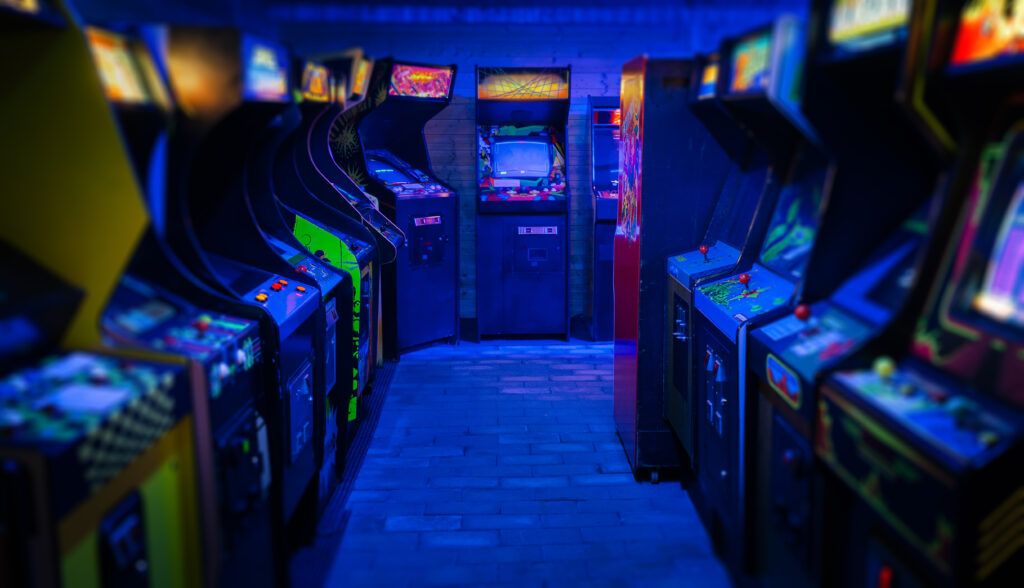
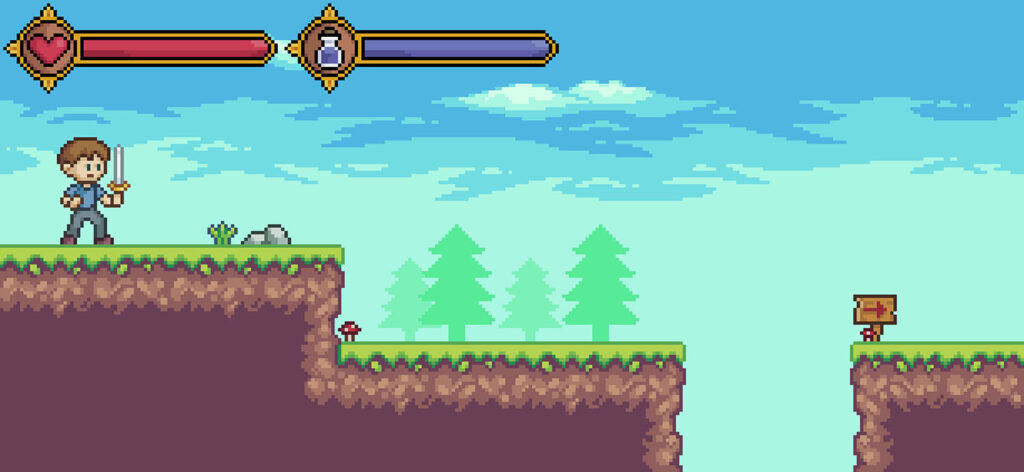
In the earliest days of game design, developers worked with extremely limited processing power, memory, and storage — which meant early genres had to be simple by necessity. Action games emphasized fast reflexes and straightforward objectives, fighting games distilled competition down to two characters and a handful of moves, and adventure games relied on text and puzzle-solving rather than graphics to build immersive worlds. These foundational genres weren’t just simple placeholders — they established core mechanics and player expectations that still influence game design today. The NES era in particular became a proving ground for these genres, with a library of titles that helped define what each category could look like.
Action
Action games were built around one core idea: keep the player’s reflexes engaged at all times. With limited memory for complex systems or storytelling, early developers leaned on fast-paced obstacles, tight timing windows, and immediate feedback to create tension and excitement. This simplicity became a strength rather than a limitation — action games could be picked up instantly, understood within seconds, and mastered over hours, a design philosophy that still defines the genre today.
Fighting
Fighting games took a different approach, distilling competition down to its most essential form — two characters, a shared arena, and a limited set of moves. Because hardware couldn’t support elaborate physics or animation, early fighting games relied on clever move design and precise controls to create depth within a small mechanical space. This constraint pushed designers to focus heavily on balance and player-vs-player dynamics, laying the foundation for the highly technical, competitive fighting scene that exists today.
Adventure
Adventure games emerged almost entirely through text and imagination rather than graphics, asking players to solve puzzles, explore fictional worlds, and make narrative choices using simple commands or menus. Without the processing power to render detailed visuals, storytelling became the primary tool for immersion — a limitation that pushed developers to write richer worlds and more meaningful player choices. This early emphasis on narrative and problem-solving planted the seeds for modern story-driven and puzzle-based genres.


First Major Developments
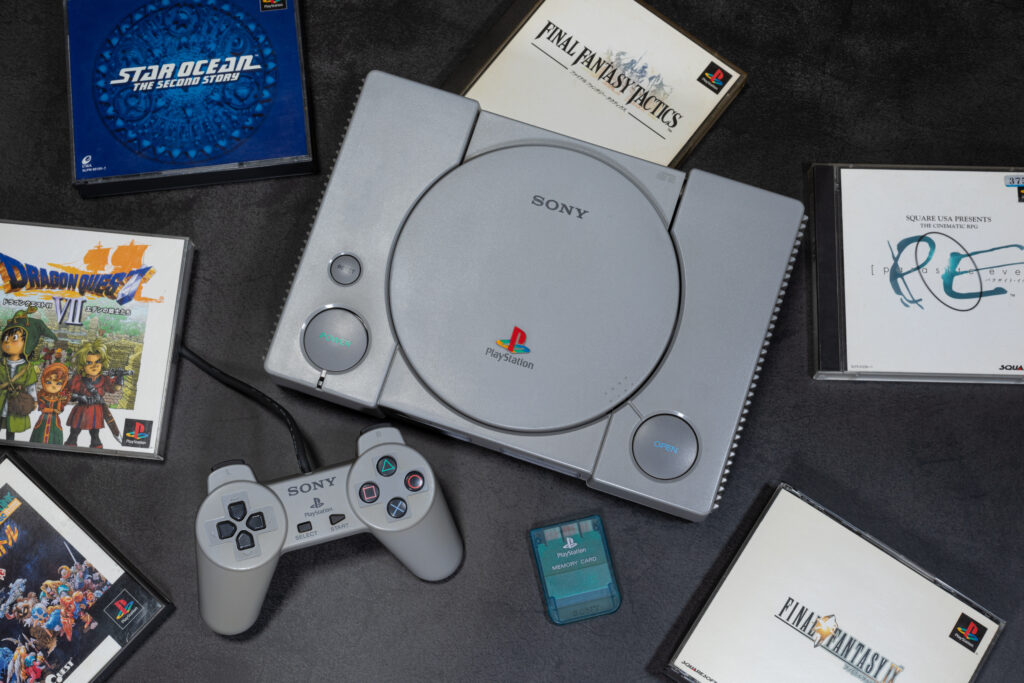
As hardware improved throughout the 1980s, so did the ambition behind genre design. Development teams — particularly at Nintendo’s studios in Japan — began experimenting with more complex mechanics, layered level design, and richer storytelling within these emerging genres. This period marked a turning point where game genres stopped being purely technical categories and started becoming true creative frameworks, with teams iterating on ideas across multiple titles to refine what worked and discard what didn’t. The lessons learned during this era became the foundation for nearly every genre that followed.
Iteration Over Invention
Rather than inventing entirely new concepts from scratch, many teams during this era focused on refining existing genres — testing small mechanical changes across sequels and spin-offs to see what resonated with players. This iterative process, often overlooked in favor of flashier innovations, was quietly one of the most important shifts in game design history. It turned genre creation into an ongoing conversation between designers and players rather than a single flash of inspiration.
Collaborative Design Culture
This era also saw the rise of dedicated development teams working collaboratively rather than relying on a single designer’s vision. Programmers, artists, and designers began working side-by-side more deliberately, blending technical constraints with creative ambition. This collaborative structure allowed studios to tackle more complex genre mechanics than any one person could manage alone, setting a template for how game studios would organize themselves for decades to come.
Modern Genres
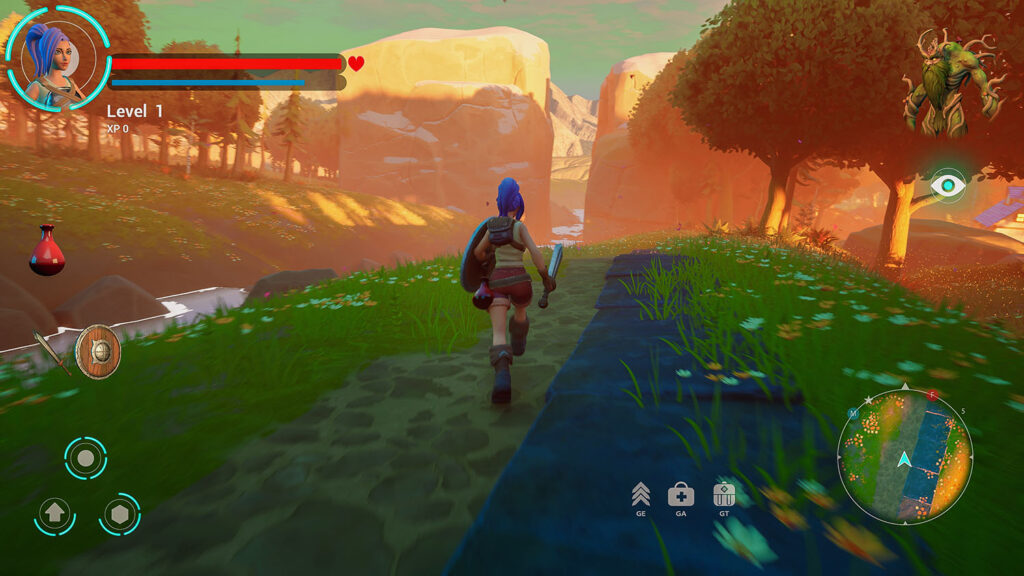
Today’s genre landscape looks almost unrecognizable compared to those early categories. Simulation games let players build and manage everything from farms to entire cities, cozy games prioritize comfort and low-stakes creativity over competition, and multiplayer games connect millions of players in shared, persistent worlds. These modern genres reflect a broader shift in what players want from games — not just challenge and reflexes, but relaxation, connection, and self-expression. Storefronts like Nintendo’s digital game shop showcase just how diverse this modern genre landscape has become, offering everything from high-intensity competitive titles to slow, meditative experiences.
Simulation
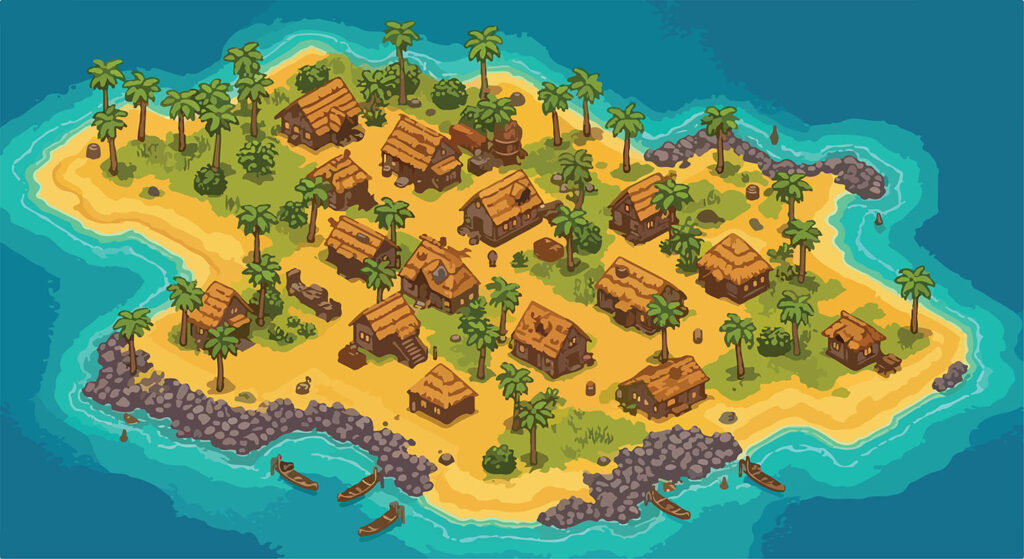
Simulation games invite players to build, manage, and optimize entire systems — from a single farm to a sprawling city. Rather than pushing players toward a single defined goal, these games offer open-ended systems that reward creativity, planning, and patience. Their popularity reflects a growing player appetite for games that feel less like a race to the finish and more like an ongoing, personal project.
Cozy
Cozy games emerged as an intentional departure from high-pressure, competitive design, prioritizing comfort, low stakes, and gentle creativity instead. These games often remove traditional failure states altogether, allowing players to explore and create without fear of losing progress or facing punishment. This genre’s rise speaks to a broader cultural shift toward games as a space for relaxation and emotional comfort, rather than solely competition or challenge.
Multiplayer
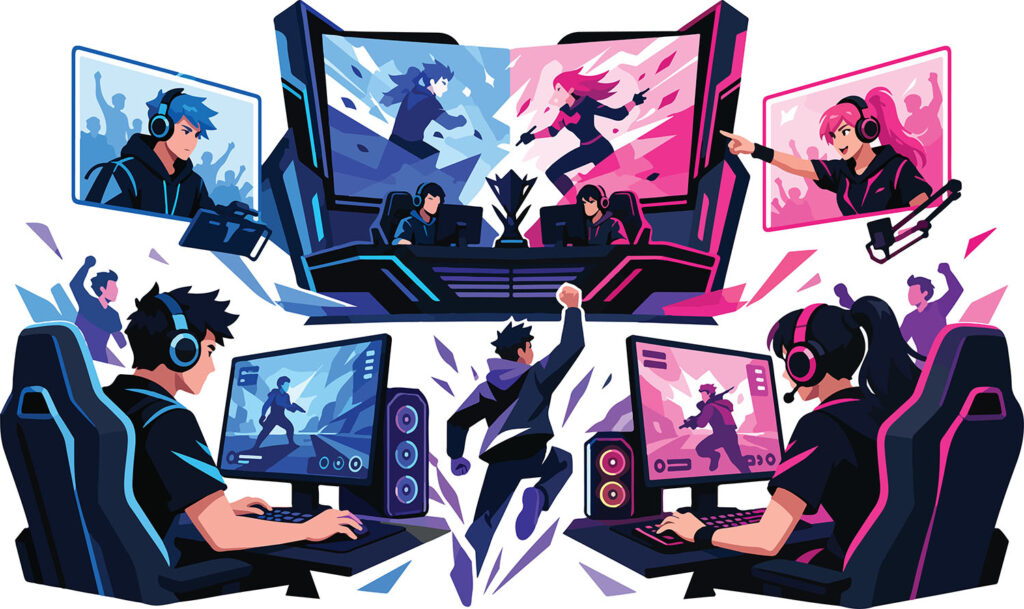
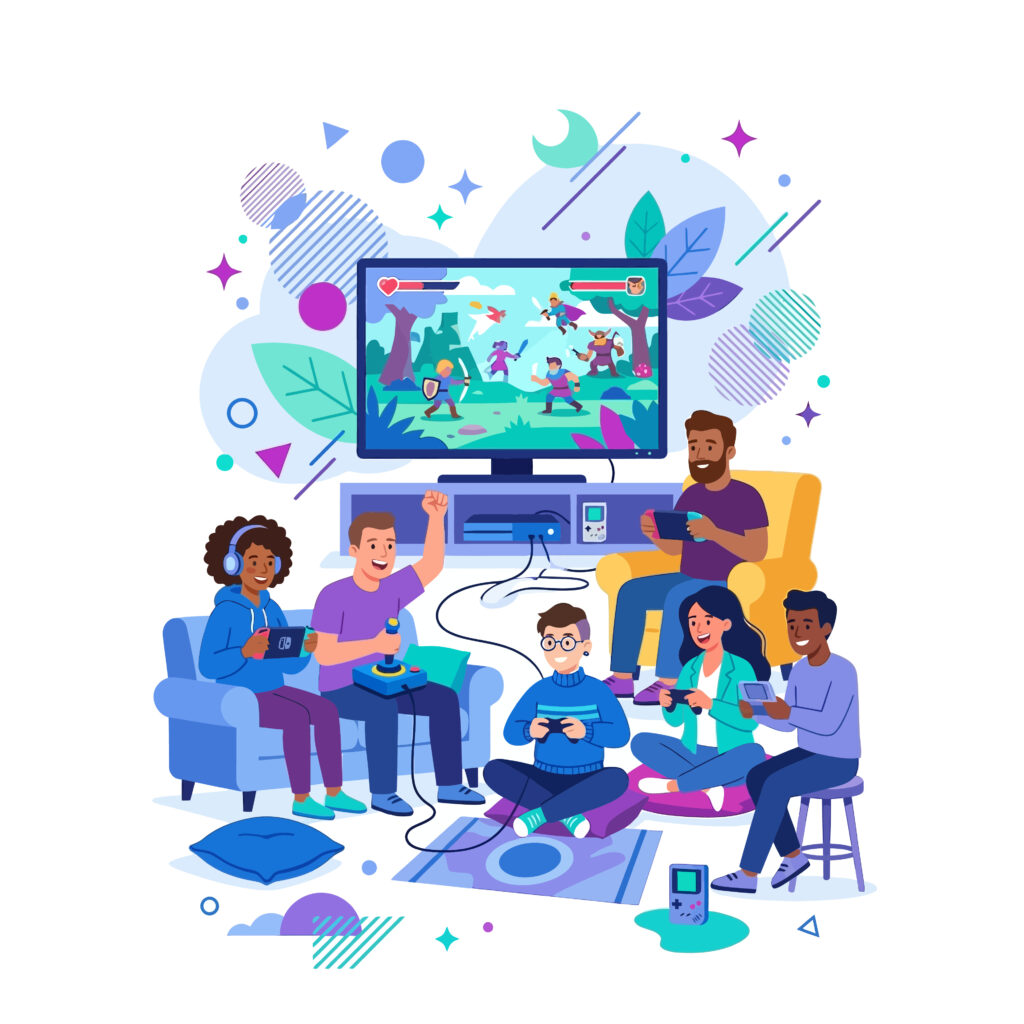
Multiplayer games transformed gaming from a solitary or local activity into a massive, interconnected social experience. Improvements in internet infrastructure and online platforms allowed millions of players to share the same digital spaces in real time, whether cooperating toward shared goals or competing against one another. This genre didn’t just change how games were played — it changed how players related to one another, turning games into ongoing social hubs rather than isolated experiences.

Where We Go From Here
Genre evolution hasn’t slowed down — if anything, it’s accelerating. New rendering technologies, like NVIDIA’s AI-powered render engines, are beginning to reshape what’s visually and mechanically possible in games, blurring the line between pre-rendered art and real-time interaction. As these tools mature, they’re likely to inspire entirely new genres, just as raycasting and 3D hardware did decades earlier. The story of genre evolution isn’t a closed chapter — it’s very much still being written.
Art or Interaction? Art AND Interaction
AI-driven rendering technology is beginning to challenge the traditional boundary between pre-made game assets and real-time, dynamically generated content. As these systems mature, environments and characters may become far more responsive and detailed than static, pre-rendered assets ever allowed, opening the door to entirely new kinds of gameplay built around real-time creativity.
An Unfinished Story
Just as earlier generations couldn’t have predicted the rise of cozy games or online multiplayer, it’s difficult to say exactly what genres these new technologies will inspire. What’s clear is that genre evolution has always followed technological change closely, and this next wave of tools seems likely to continue that pattern — pushing game design into directions we can’t yet fully imagine.